


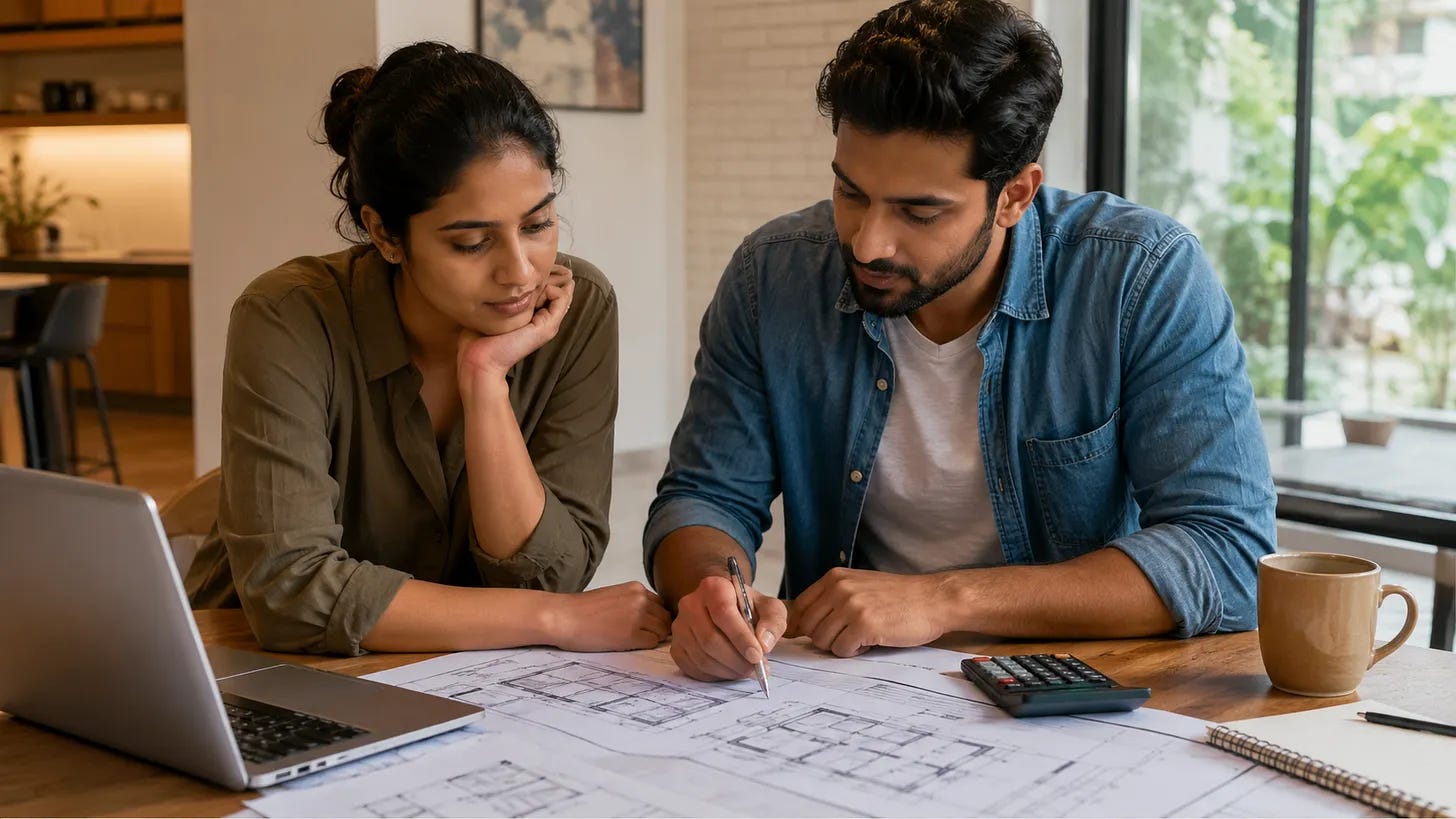
Budgeting for Your Home: A Complete Planning Guide (Rewritten Summary)
Building a home is one of the biggest financial decisions most people make, so careful budgeting is essential before starting. A well-planned budget helps you avoid cost overruns, delays, and unexpected financial stress during construction.
Why Home Budgeting Matters
A home project must be planned with clarity because even small miscalculations can lead to major financial issues. A proper budget ensures that every stage—from design to finishing—is financially covered and executed smoothly with your contractor. Without detailed planning, costs can easily exceed expectations.
Understanding the BOQ (Bill of Quantities)
A key part of budgeting is the BOQ, which is prepared by engineers or estimators. It lists all materials, labor, and work items required for construction along with their quantities.
This helps you understand:
Actual construction cost per square foot
Quantity of materials required
Labour and machinery costs
A BOQ ensures transparency and prevents hidden costs from surprising you later in the project.
Main Factors That Affect Construction Cost
1. Architectural Design
The overall design style (modern, traditional, flat roof, etc.) directly influences cost. Complex designs usually require more materials and labor.
2. Structural Design
The structure depends on foundation type, number of floors, and building system (framed or load-bearing). Stronger and taller structures naturally cost more.
3. Building Materials
Materials form the largest part of construction cost. Major contributors include:
Steel (high impact on structural strength and cost)
Cement (binding material for construction)
Sand and aggregates (basic concrete components)
Bricks or blocks (walls and partitions)
These together make up the majority of your total budget.
Finishing Costs
Finishing works significantly affect both cost and appearance of your home. These include:
Wall finishing like plastering and painting
Flooring like tiles, marble, or wood
Ceiling works and decorative elements
Doors, windows, and sanitary fittings
Electrical and plumbing installations
Finishing often determines how “complete” and livable your house feels.
Hidden or Often-Ignored Expenses
Many homeowners underestimate additional costs that don’t appear in basic estimates, such as:
Interior design and furniture
Landscaping and garden development
Compound walls and gates
Rainwater harvesting systems
Solar power installations
Metal fabrication (railings, gates, etc.)
Site clearance and preparation
Government approvals and permits
Soil testing and land surveys
Eco-friendly construction upgrades
These can add a significant portion to the overall cost if not planned early.
Key Advice for Better Budget Control
To avoid overspending, it is important to:
Prepare a detailed BOQ before starting work
Include all materials, labor, and hidden costs
Keep a contingency buffer (commonly around 10%) for unexpected expenses
Finalize design decisions early to avoid costly mid-project changes
Plan interiors and external works from the beginning
Proper planning helps ensure your home is completed within budget without financial stress.
Conclusion
Successful home construction depends not just on design, but on disciplined budgeting and complete planning. When every cost element is identified in advance—from structure to interiors—you gain better control over spending and reduce the risk of surprises during execution.